What is window tint for home?
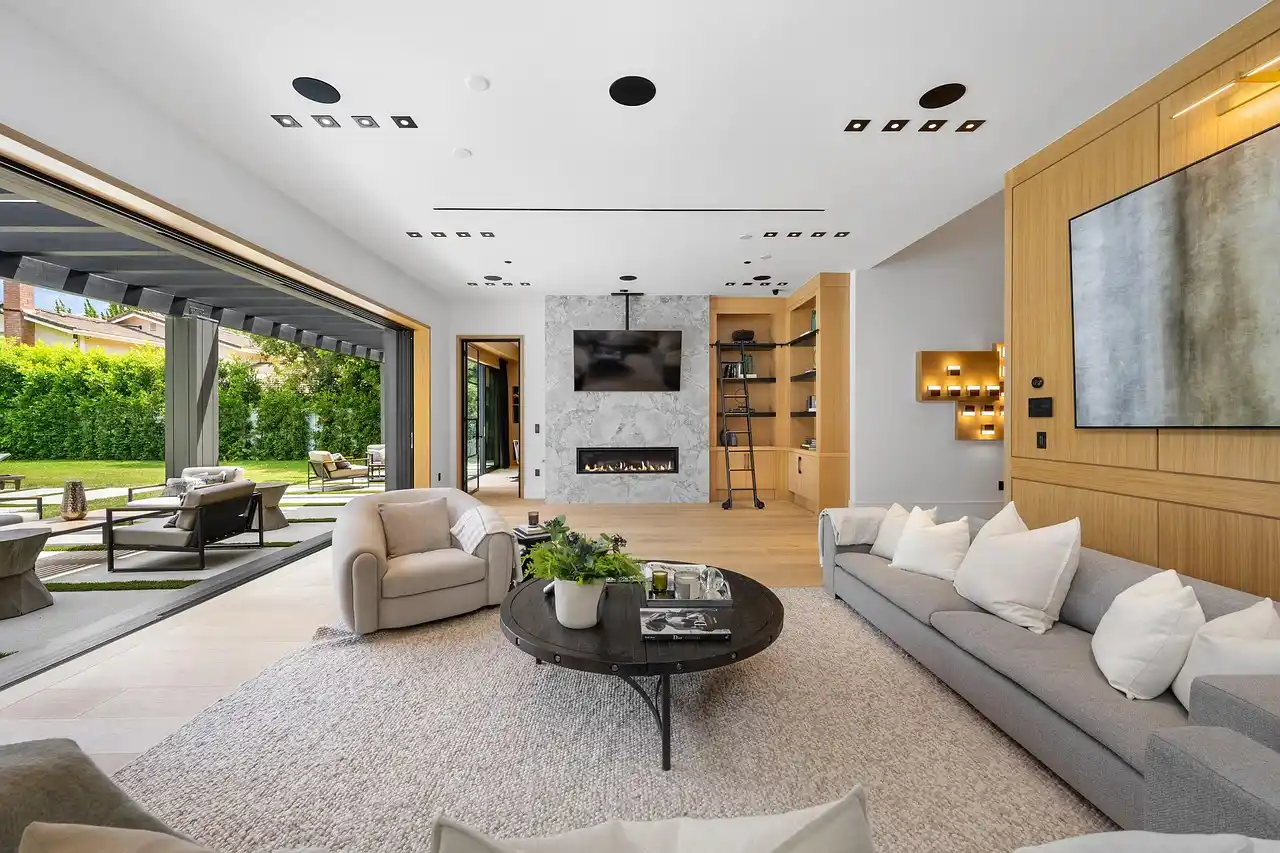
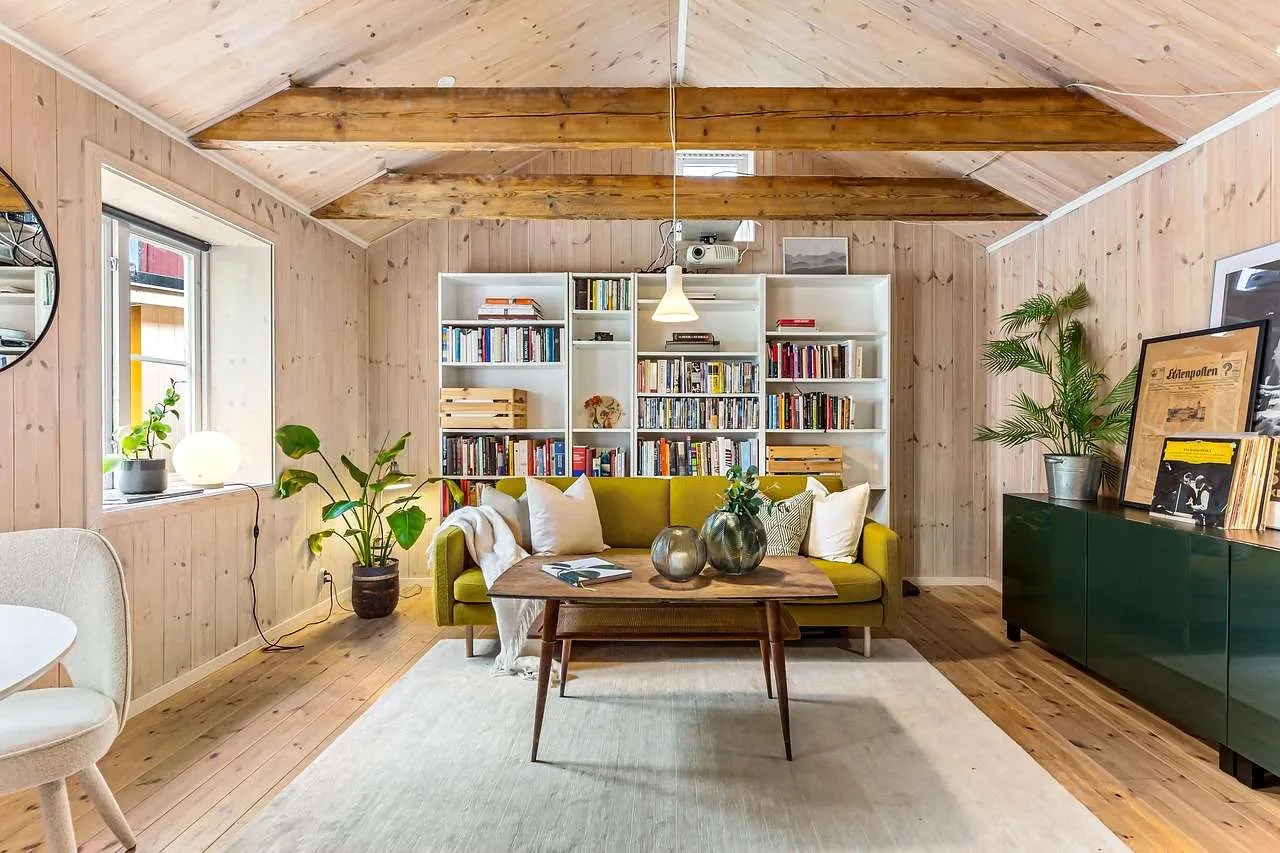
Window tint for home refers to a thin film applied to glass to reduce heat, glare and UV exposure while maintaining light and visibility. When selected and installed correctly, it enhances comfort, protects furnishings, and can lower cooling costs.
Benefits of window tint for home
- Energy efficiency and lower cooling loads
- UV protection to prevent fading of furniture and floors
- Glare reduction for comfortable interiors and better screen visibility
- Enhanced privacy without heavy blinds
- Safety and durability with long-term performance
Key factors to choose the right film
To balance comfort, appearance, and cost, evaluate:
- Visible Light Transmittance (VLT) and glare reduction
- Solar Heat Gain Coefficient (SHGC) for energy savings
- UV rejection to protect interiors
- Climate, window orientation, and façade exposure
- Warranty and installer reputation
Common film types
| Film Type | UV Rejection | SHGC | Visible Light Transmittance (VLT) | Pros | Cons |
|---|---|---|---|---|---|
| Dyed | High | Low–Moderate | 25–70% | Cost-effective, good glare control | Can fade or turn purple over time |
| Metalized | Very High | Variable | 15–60% | Excellent heat rejection, reduces infrared | Possible interference with electronics |
| Ceramic | Excellent | Low–Moderate | 35–75% | Clearer view, no signal interference | Higher upfront cost |
| Hybrid | High | Low | 30–60% | Balanced performance, moderate price | Mid-range performance |
| Nano-ceramic | Excellent | Low | 40–72% | Best optics, strongest heat rejection | Premium price |
Installation considerations
For best results, hire a certified professional installer. They measure, prep the glass, apply the film, and seal edges to prevent peeling. DIY kits exist but require careful technique to avoid bubbles, creases, and premature failure.
Cost, warranty, and ROI
Prices vary by film type, window size, and labor. Residential window film typically costs about $5–$15 per square foot installed; ceramic and nano-ceramic options skew higher. Warranties range from 5 to 15 years and cover fading, peeling, and bubbling. Energy savings depend on climate and home orientation; many homes see meaningful cooling reductions, often yielding a favorable return in 2–5 years.
Maintenance and safety
Clean with non-ammonia glass cleaners and soft cloths. Avoid abrasive scrubbers and harsh solvents that can degrade the film. Inspect edges periodically and have them resealed during routine maintenance if needed. Reputable installers provide safety certifications and warranty transfers for peace of mind.
Conclusion, window tint for home offers energy savings, UV protection, privacy, and improved comfort when chosen and installed by a qualified professional. By evaluating SHGC, VLT, and film type, and working with a certified installer, homeowners can achieve durable performance, safety compliance, and a solid ROI.