Choosing bathroom tile is not only about aesthetics but resilience in a moisture-rich space. This guide covers materials, layout ideas, installation basics, maintenance, and budgeting to help homeowners make informed choices.
Understanding bathroom tile materials
In bathrooms, tile performance hinges on porosity, absorption, and durability. The three most common categories are ceramic and porcelain (both in the ceramic family) and natural stone, with glass and mosaic options for accents.
Ceramic tile
Ceramic tiles are kiln-fired clay with a glaze finish. They are affordable, easy to cut, and available in many colors and patterns. They work well on walls, backsplashes, and shower surrounds where a lighter, decorative look is desired.
Porcelain tile
Porcelain is denser and less porous than standard ceramic, often rated for higher water resistance. It is ideal for floors and showers when durability is critical and offers a wide range of finishes, from matte to polished.
Natural stone
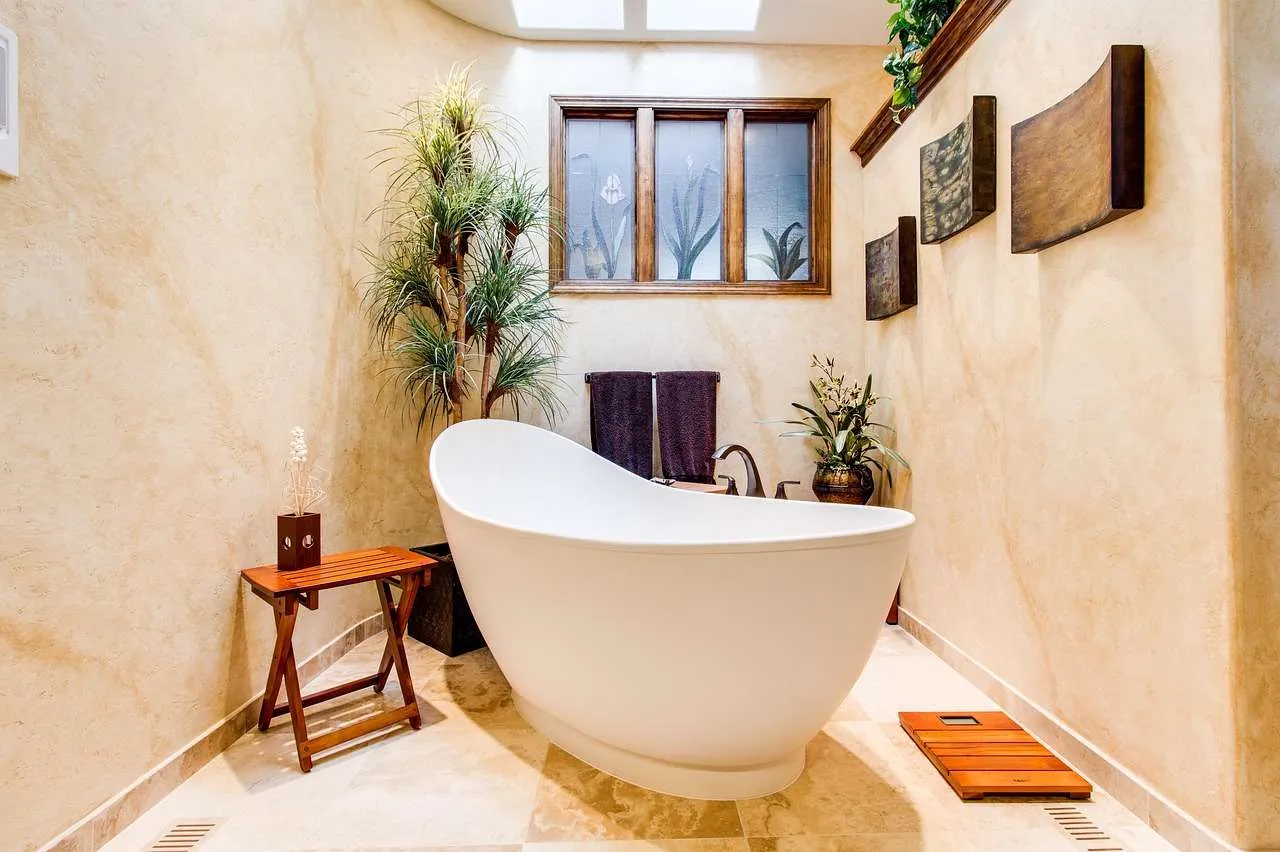
Marble, travertine, and granite bring natural beauty but require sealing and ongoing maintenance. Porosity varies; stone tiles are best when protected by quality sealants, proper ventilation, and mindful cleaning to prevent staining.
Glass and metallic tiles
Glass tiles reflect light and create the illusion of more space. They are popular as accents or tub surrounds but can be slippery on floors and require careful cleaning to avoid soap scum and water spots.
Design and layout ideas
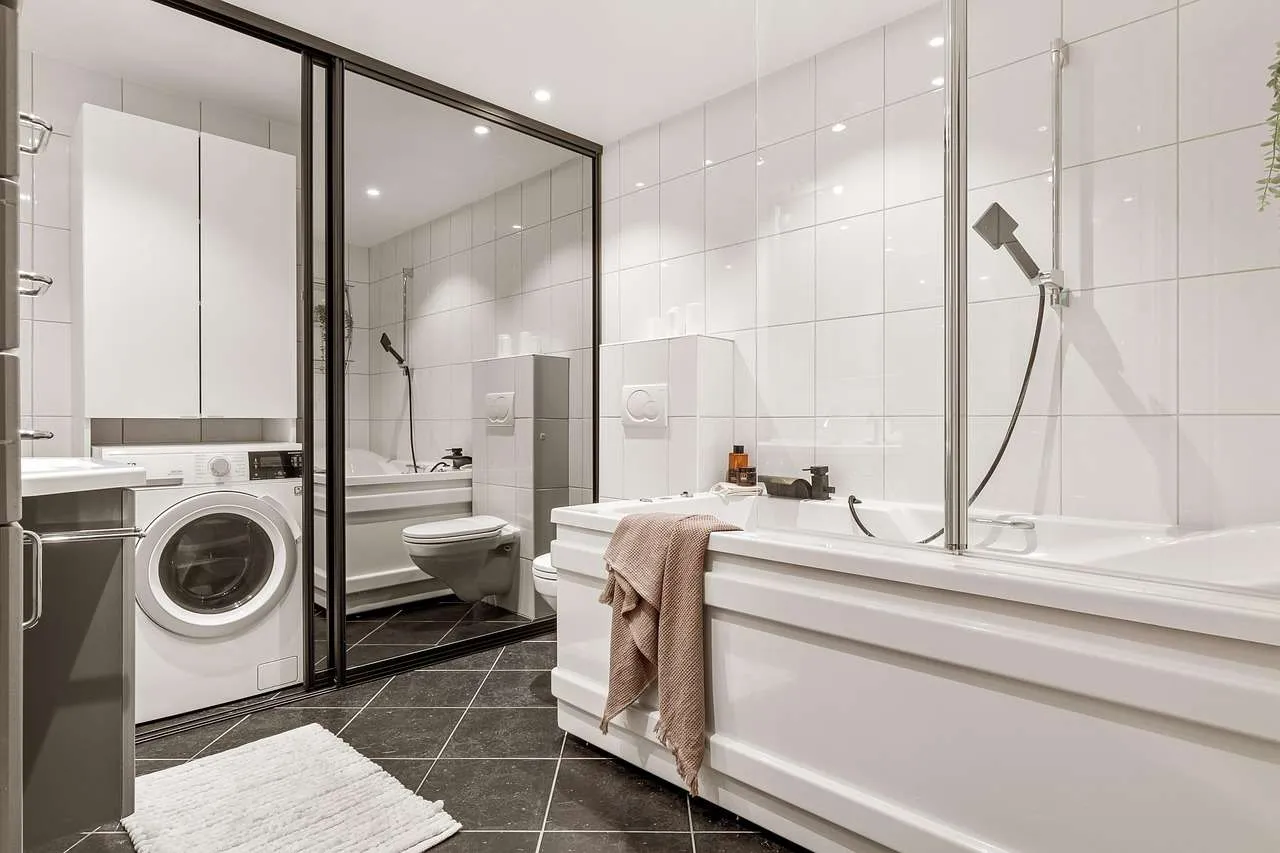
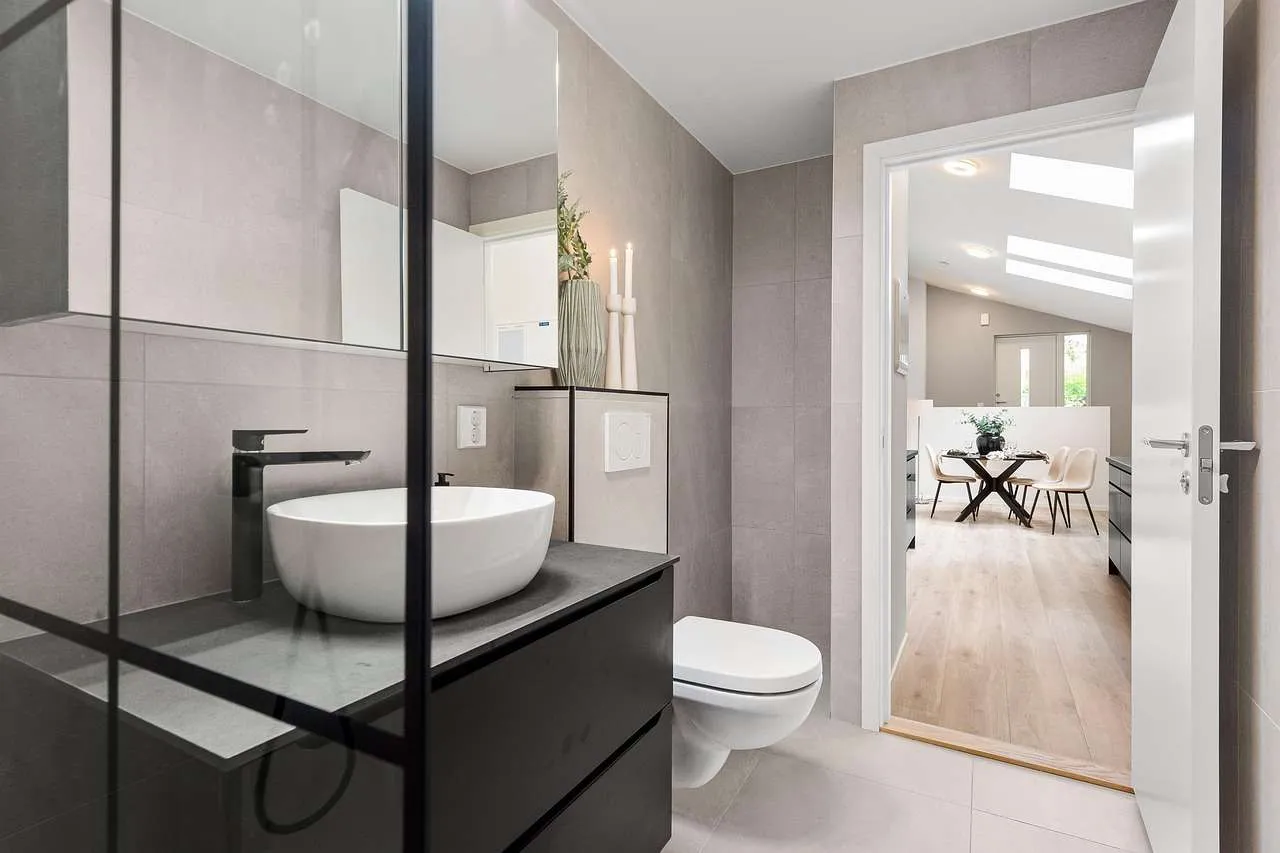
Tile size, layout, and color influence how a bathroom feels. Large-format porcelain can make small spaces feel bigger; smaller mosaic tiles add texture in showers. Consider coordinated grout colors to either blend or define lines for a cohesive look.
Size and pattern ideas
Vertical stacks, herringbone patterns, or classic subway layouts provide timeless looks. Beveled edges cast subtle shadows on walls, while floor patterns can use contrasting borders to delineate zones such as shower areas or wet walls.
Installation and safety considerations
Preparation matters. Ensure the substrate is dry, clean, and flat. Use a waterproofing membrane in wet zones and select adhesives compatible with the tile type and substrate. For grout, epoxy grout offers stain resistance but costs more; cementitious grout is common and easier to work with for DIY projects.
Safety features include slip-resistant floors (DCOF rating) and appropriate edge transitions. For showers, plan for proper slope (minimum 1/4 inch per foot) to ensure efficient drainage and reduce water pooling.
Maintenance and care
Regular cleaning with a pH-neutral cleaner preserves color and prevents residue. Seal natural stone upon installation and re-seal per manufacturer guidance. Address mold or mildew in damp corners promptly to maintain hygiene and air quality, and wipe down glass tiles to prevent watermarks.
Budgeting and planning
Costs vary by material, labor, and area. Ceramic tile may cost $1–5 per sq ft, porcelain $3–8, natural stone $7–15+, and glass $7–20+. Include waterproofing, underlayment, and professional installation in total estimates. DIY is feasible for walls and simple layouts, but complex wet areas benefit from a licensed installer to ensure proper waterproofing and warranty compliance.
| Tile Material | Pros | Cons | Best For | Maintenance | Cost (per sq ft) |
|---|---|---|---|---|---|
| Ceramic | Affordable, wide variety | Less dense, can scratch | Walls, backsplashes | Low to moderate | $1–$5 |
| Porcelain | Highly durable, water resistant | Higher cost, harder to cut | Floors and showers | Low with proper grout care | $3–$8 |
| Natural Stone | Luxurious look | Porous, requires sealing | Bathrooms, feature walls | Sealing and care | $7–$15+ |
| Glass | Reflects light, modern | Slippery on floors, spots | Accent walls, vanity backsplashes | Regular cleaning; minimal sealing | $7–$20 |
Frequently asked questions
Q: Which tile is best for a shower floor? A: Porcelain or porcelain-look ceramic with a textured or honed finish and a slip-resistant DCOF rating is recommended.
Q: Do I need a professional tile installer? A: For wet areas, complex patterns, or large floors, a licensed professional ensures waterproofing and warranty compliance.
Q: How often should natural stone be sealed? A: Most stones require sealing on installation and re-sealing every 1–3 years depending on porosity and use.
Conclusion, selecting the right bathroom tile means balancing durability, design, and upkeep. By understanding materials, layouts, installation needs, and maintenance, you can create a stylish, long-lasting bathroom that fits your budget and lifestyle.